PHP2Shell Impact on Magento and WordPress: Risks and Fixes
PHP2Shell (CVE-2026-109618 and CVE-2026-109619) can give attackers control of PHP servers. See what it means for Magento and WordPress and how to patch.


PHP2Shell (CVE-2026-109618 and CVE-2026-109619) can give attackers control of PHP servers. See what it means for Magento and WordPress and how to patch.
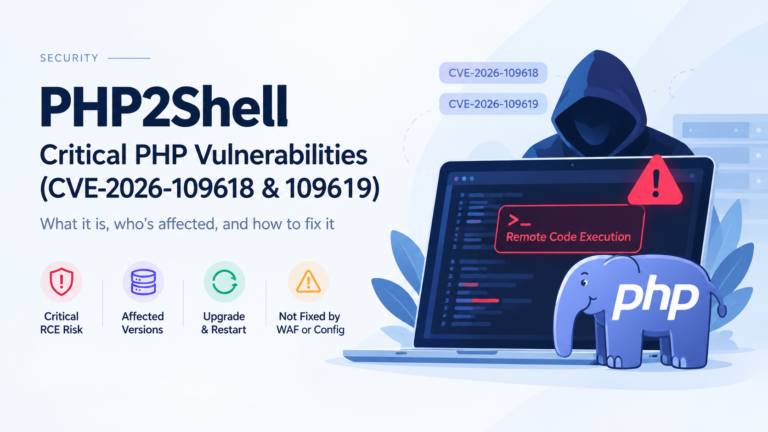
Quick Answer: What Is PHP2Shell? PHP2Shell is the name given to two critical memory-safety vulnerabilities in core PHP, tracked as CVE-2026-109618 and CVE-2026-109619, that can allow unauthenticated remote code execution. PHP fixed both in PHP 8.5.12, 8.4.27, 8.3.36 and 8.2.35,…
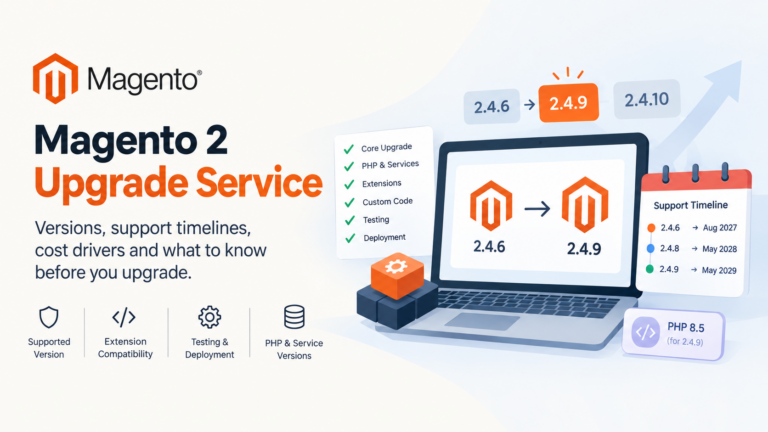
A Magento 2 upgrade service moves your store from its current version to a supported one, covering the core upgrade, PHP and service versions, extension compatibility, custom code, testing and deployment. Cost is driven almost entirely by how much custom code and how many third-party extensions you run — not by which version you're moving to.

Magento 2 shop by brand is built with a product attribute, not a brand feature — Magento has no native brand entity. A dropdown attribute set to filterable gives you brand filtering in layered navigation in minutes. What it won't give you is a brand landing page with a logo, description and its own URL. That gap is what extensions sell.
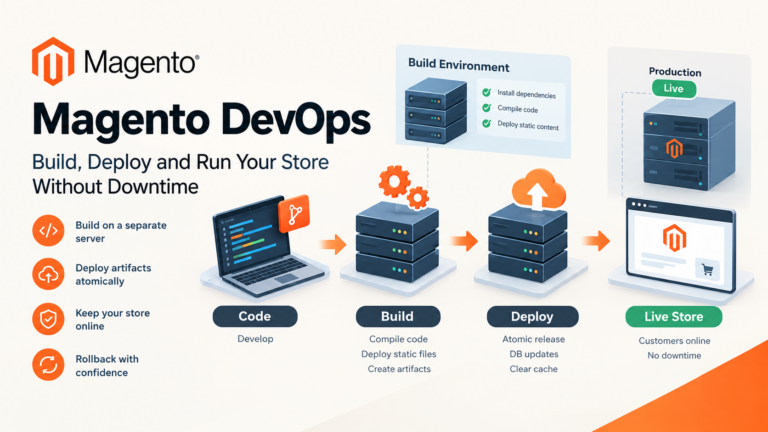
Magento DevOps is the practice of getting code from a developer's machine to a live store repeatably and without downtime. In Magento 2 that means three application modes, a build step that compiles code and static files, and a deploy step that swaps them in. Most outages come from running the build on the live server.
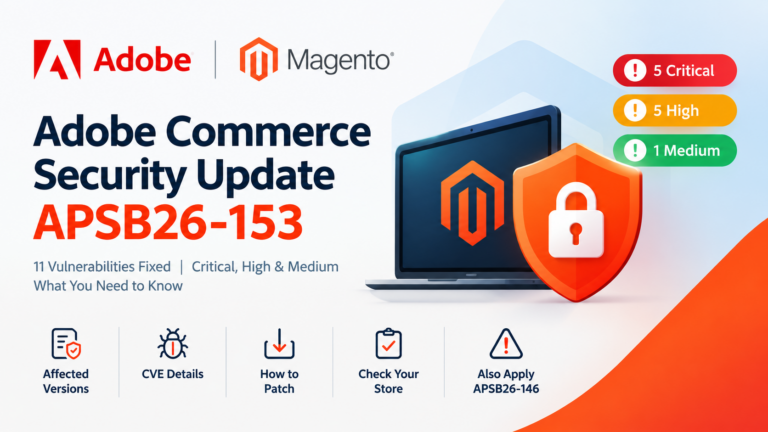
APSB26-153 fixes 11 vulnerabilities, five of them critical, across Adobe Commerce, B2B and Magento Open Source. Here is what is affected, how to check your store and how to install the patch.

A Magento 2 Aramex shipping integration connects your store to Aramex's rate, shipping, tracking and location APIs so checkout quotes real rates and the admin can create shipments and labels. You have four routes: Aramex's own plugin, its newer fulfilment portal, a third-party extension, or a custom carrier module. The right one depends on your Magento version.

A Magento 2 free shipping bar module shows shoppers how much more they need to spend to qualify for free shipping, usually as a progress bar in the cart or header. The hard part isn't the bar. It's making its arithmetic match the rule Magento applies at checkout, because Magento has three mechanisms that count different numbers.
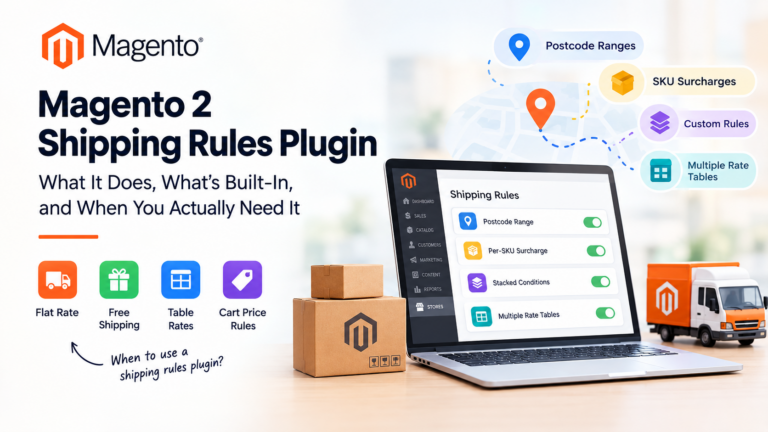
A shipping rules plugin for Magento adds conditional rate logic that the native platform can't express: postcode ranges, per-SKU surcharges, stacked conditions and multiple active rate tables. Magento 2 ships with flat rate, free shipping, table rates and cart price rules, which cover most simple stores. You need a plugin when your rules outgrow those four.

A Magento 2 migration service moves your store from Magento 1 to Magento 2. It covers four parts: data, extensions and custom code, theme and customizations. Adobe's Data Migration Tool handles the data; developers rebuild or replace the rest, then test before launch.